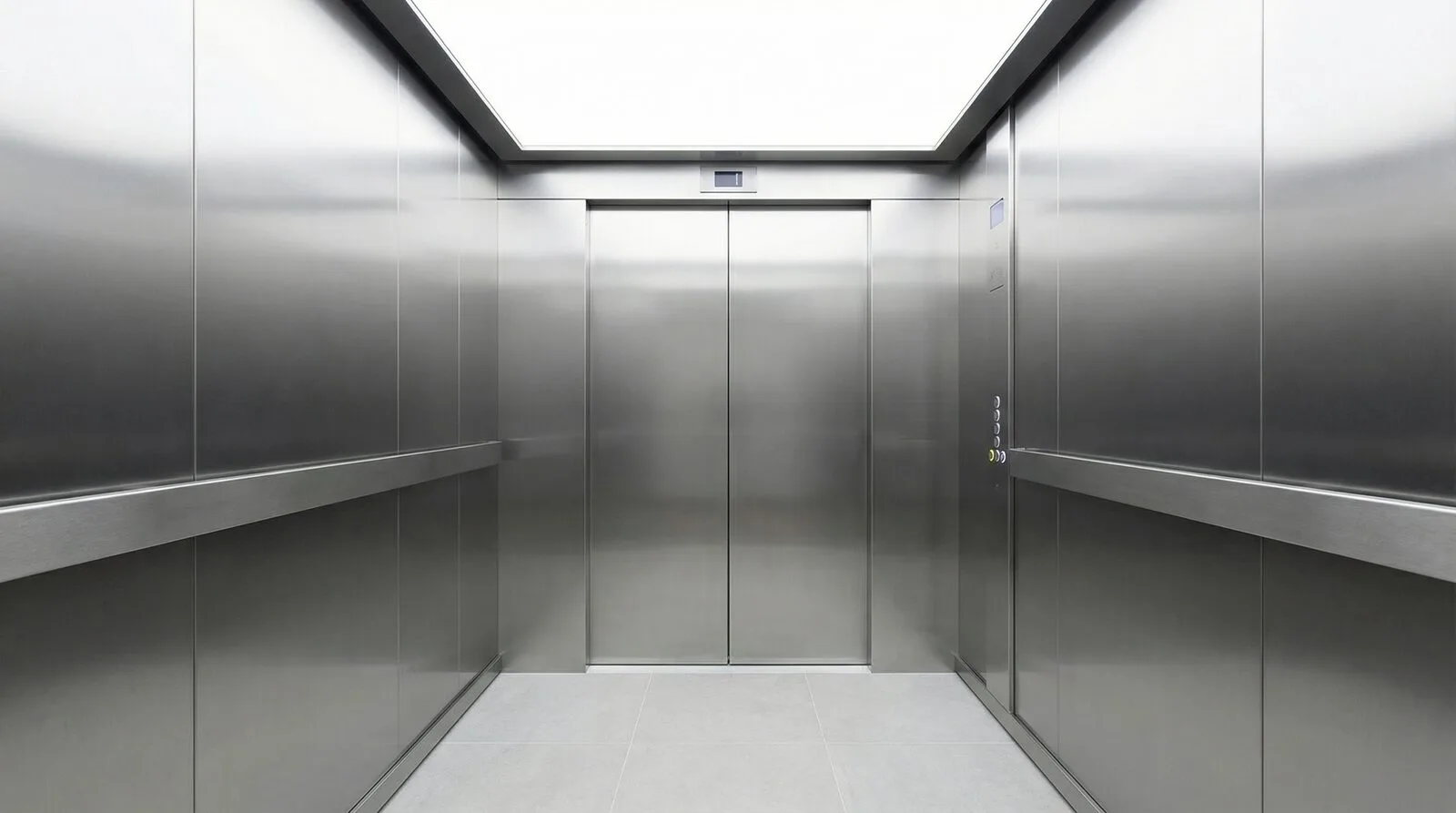
What is a through-floor lift?
A through-floor lift is a type of home lift that carries you vertically between two floors of a house, passing through a small, prepared opening in the ceiling. Unlike a conventional passenger lift, it needs no separate shaft, hoistway or machine room — the lift and its opening are all there is. And unlike a stairlift, which runs a seat along the staircase, a through-floor lift travels straight up and can carry a wheelchair and its user together.
How does a through-floor lift work?
The lift sits discreetly in a downstairs room. At the touch of a control it rises through the opening in the ceiling to the room above; when it reaches the top, the aperture closes flush so the floor is complete and safe. When the lift returns downstairs it sits neatly against a wall or in a corner. Modern through-floor lifts are quiet, run on an ordinary domestic power supply, and are built to the EN 81-41 safety standard, with battery lowering in the event of a power cut.
How much space does it need?
This is where a through-floor lift wins. It needs only a small footprint — an OnLevel lift occupies roughly an 850 by 850mm area — and a shallow 150mm pit rather than the deep excavation a shafted lift requires. It is usually sited in the corner of a room, against a wall, or wherever the layout of the two floors best lines up. Because it goes straight through the ceiling, there is no need to find room for a separate lift shaft or hallway position — which is exactly why it suits smaller and older homes.
| Specification | OnLevel through-floor lift |
|---|---|
| Pit depth | 150mm — no deep excavation |
| Footprint | approx. 850 × 850mm |
| Machine room | Not required |
| Floors served | Two (ground to first floor) |
| Typical installation | 3 to 5 days |
| Safety standard | EN 81-41, with battery lowering |
What building work is involved?
Installation is modest. We form the opening in the floor above, fit the self-contained lift unit, and finish the surround to match your décor. There is no machine room to build and no deep pit to dig, so most homes need only minor structural work. A typical through-floor lift installation is completed in three to five days, with far less mess and disruption than a conventional lift or a downstairs conversion.
How much does a through-floor lift cost?
A through-floor lift is priced to the property rather than from a fixed scale, so the honest answer is that it depends — but the factors that decide the figure are clear, and a through-floor lift is usually one of the least expensive ways to add step-free access between floors. It costs far less to install than a conventional shafted lift because it needs no deep pit, no machine room and no weeks of building work — just a 150mm recess and three to five days on site. The main things that move the price are:
- The model and enclosure — an open or part-enclosed platform costs less than a fully enclosed cabin with glazed or bespoke cladding.
- The finish — standard finishes are the most economical; premium materials and made-to-match surrounds add to the figure.
- Site preparation — most homes need only minor work; an awkward layout or a listed or period property can add a little.
- Funding — a grant or VAT relief can reduce what you actually pay (see below).
Because the building work is minimal, a through-floor lift avoids the single biggest cost on a domestic installation. Our full platform lift cost guide breaks down every factor, and the surest way to a firm figure is a no-obligation written quotation for your property.
Can a through-floor lift be funded?
Often, yes — and it can make a real difference to what you pay. Where the lift is needed for a disabled person, the means-tested Disabled Facilities Grant can contribute up to £30,000 toward the cost in England, and mobility lifts installed at home are usually zero-rated for VAT. Between the two, many families pay far less than the headline figure — sometimes nothing at all. Our funding guide explains who qualifies and how to apply.
Is a through-floor lift right for you?
A through-floor lift is often the right choice if you can answer yes to any of these:
- You need a wheelchair or scooter to travel between floors, not just a person on a seat.
- There is no space for a separate lift shaft or a hallway lift position.
- You live in a smaller or period home where deep excavation or major building work is not realistic.
- You want to stay in your two-storey home for the long term rather than move or convert downstairs.
If a wheelchair never needs to travel and budget is the priority, a stairlift may be enough — our platform lift vs stairlift guide compares the two in full.
Real through-floor installations
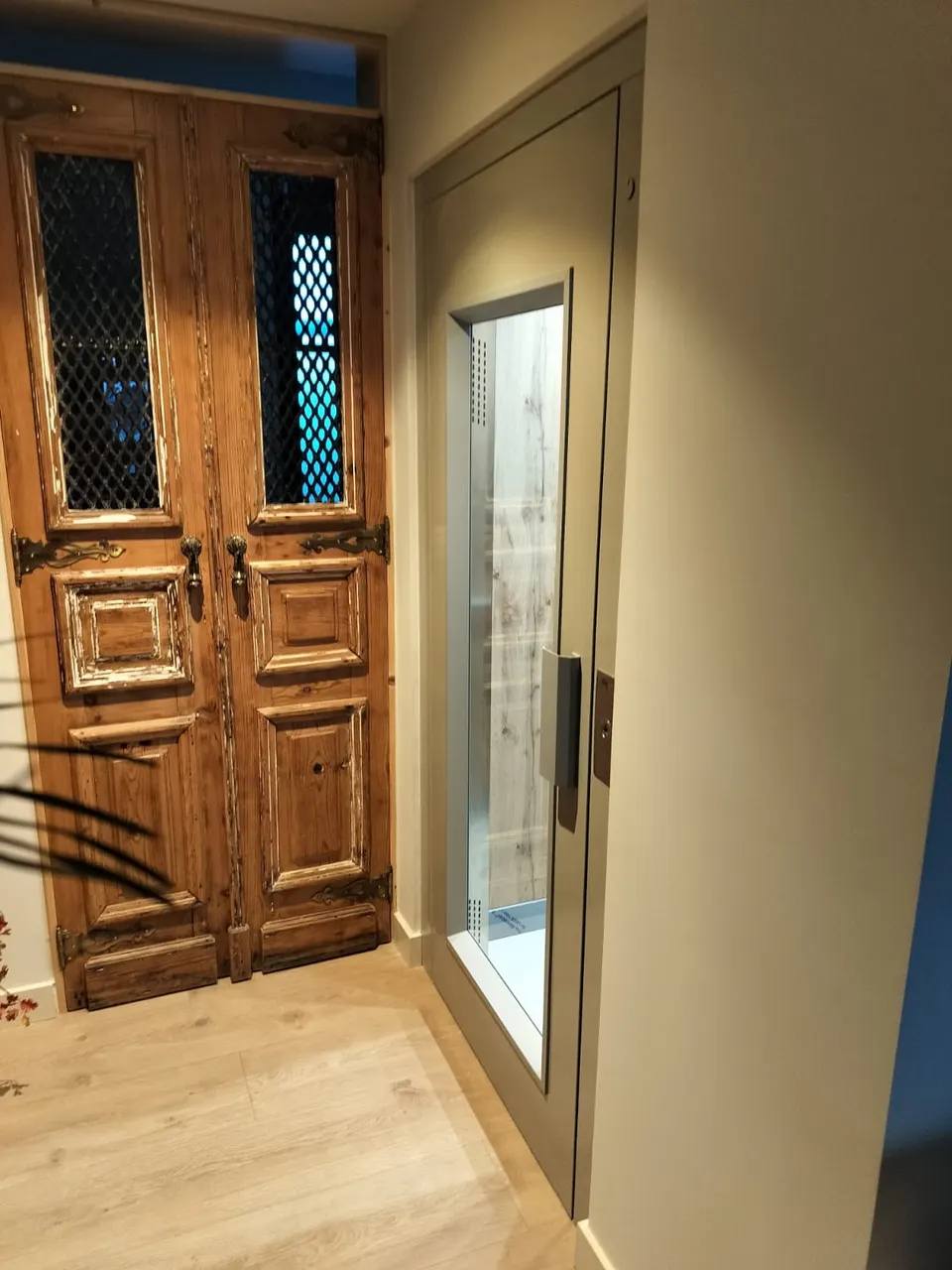
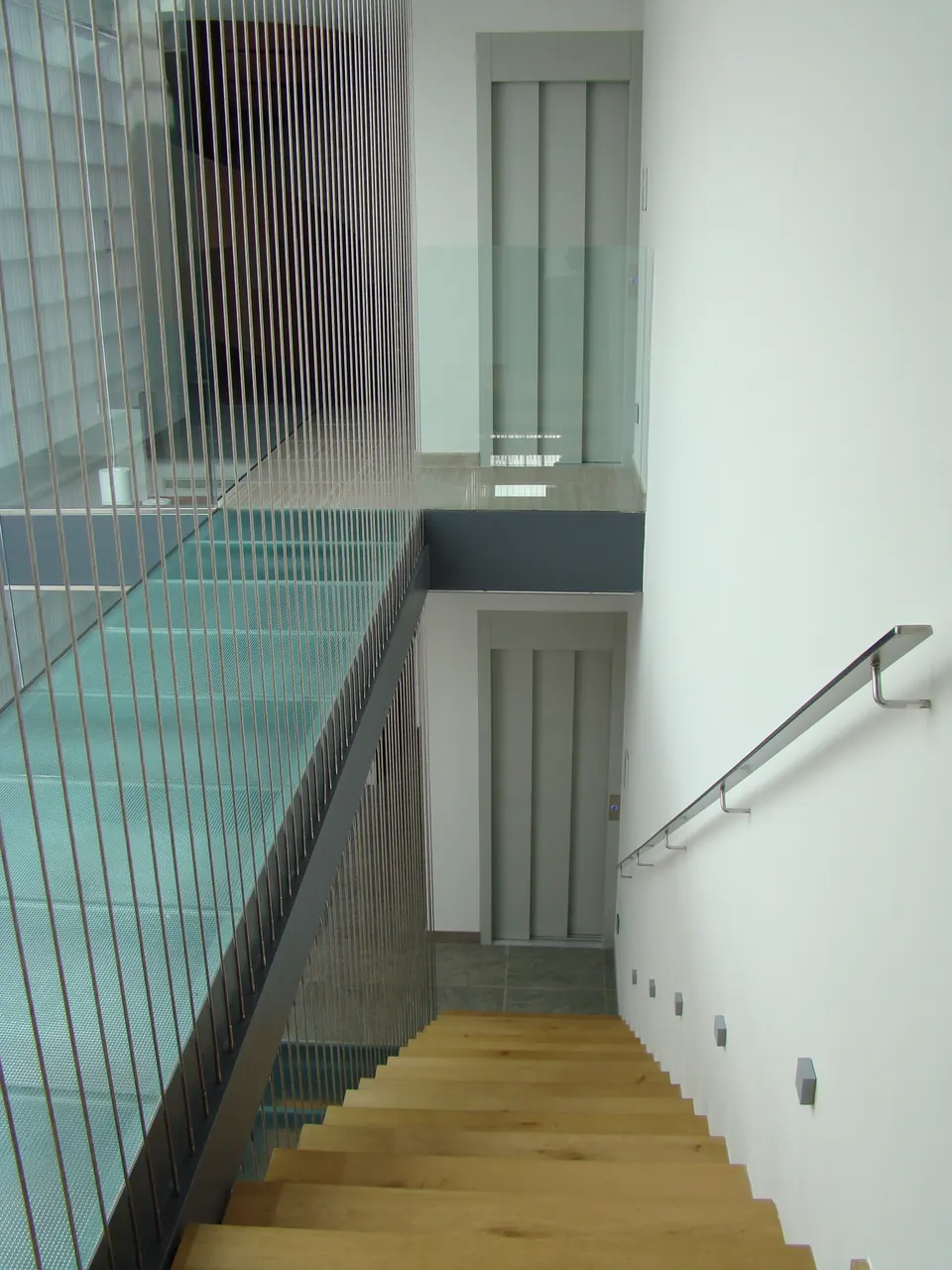
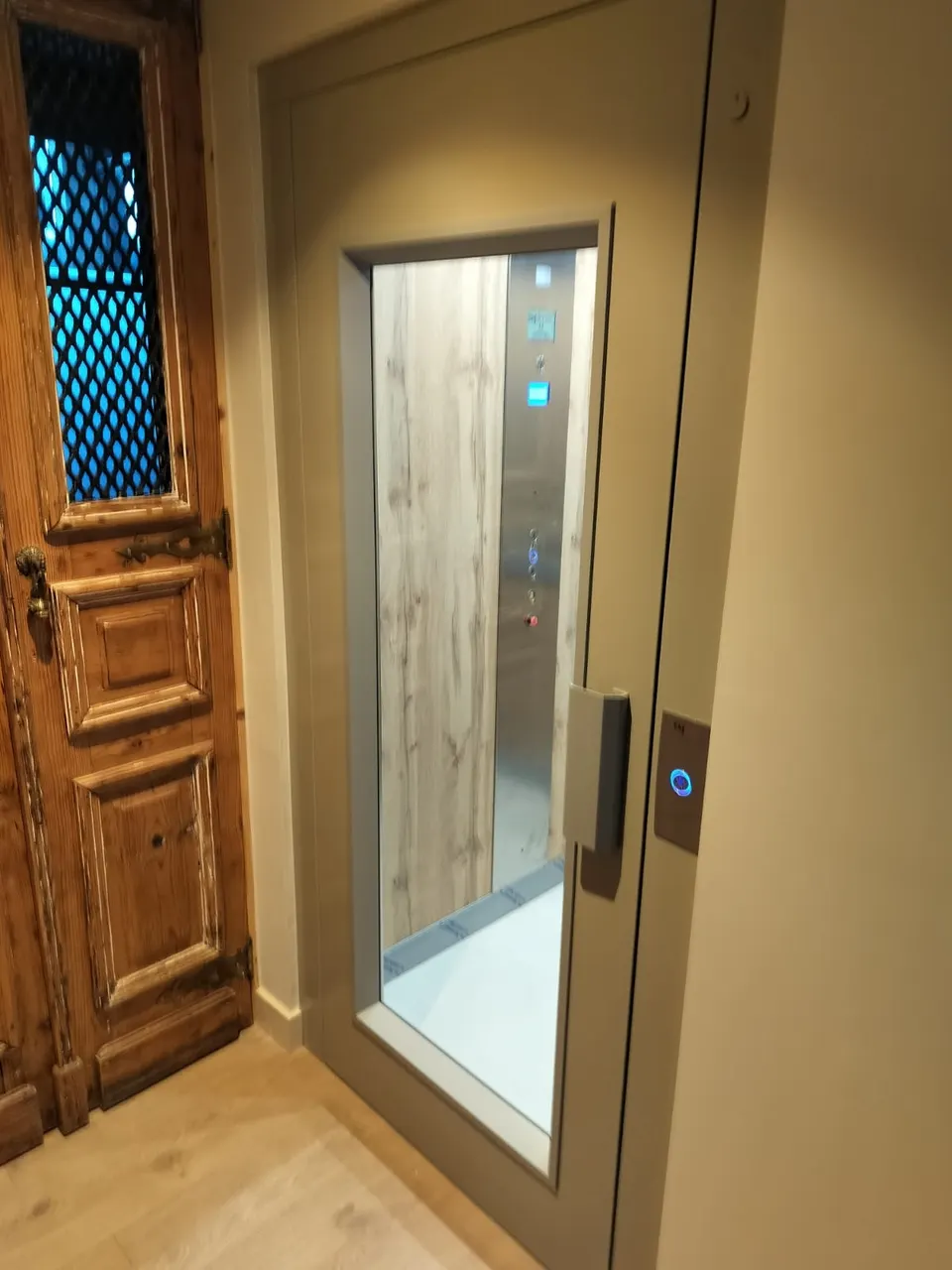
Real OnLevel installations. See the full gallery.
Find a platform lift installer in your area
We install and service OnLevel platform lifts across England, with dedicated local pages for hundreds of towns. Explore the areas we cover — including London, Surrey, Kent, Hertfordshire, Buckinghamshire, Berkshire, Cheshire, Greater Manchester and Essex — or browse the full list of locations across the UK.
Popular towns we cover include Milton Keynes, Coventry, Watford, Bromley, Marylebone, Sutton, Rochdale, Cheshunt, Welwyn Garden City, Sevenoaks, Wellingborough, Beverley and Pontefract.
Recently updated area pages include Malmesbury, Kenilworth, Margate, East Malling, Sale, Rye and Chippenham — each with local planning notes, typical property types and the installation details for that area.
Request a no-obligation quotation
Every property is different, so the surest way to a firm figure is to tell us about your project — the property, the floors you need to serve and what you want to achieve. Send us those details and our SafeContractor-accredited team will prepare a written, no-obligation quotation. Request your quotation on our contact form, or see the areas we cover across the UK.