The deciding question: the wheelchair
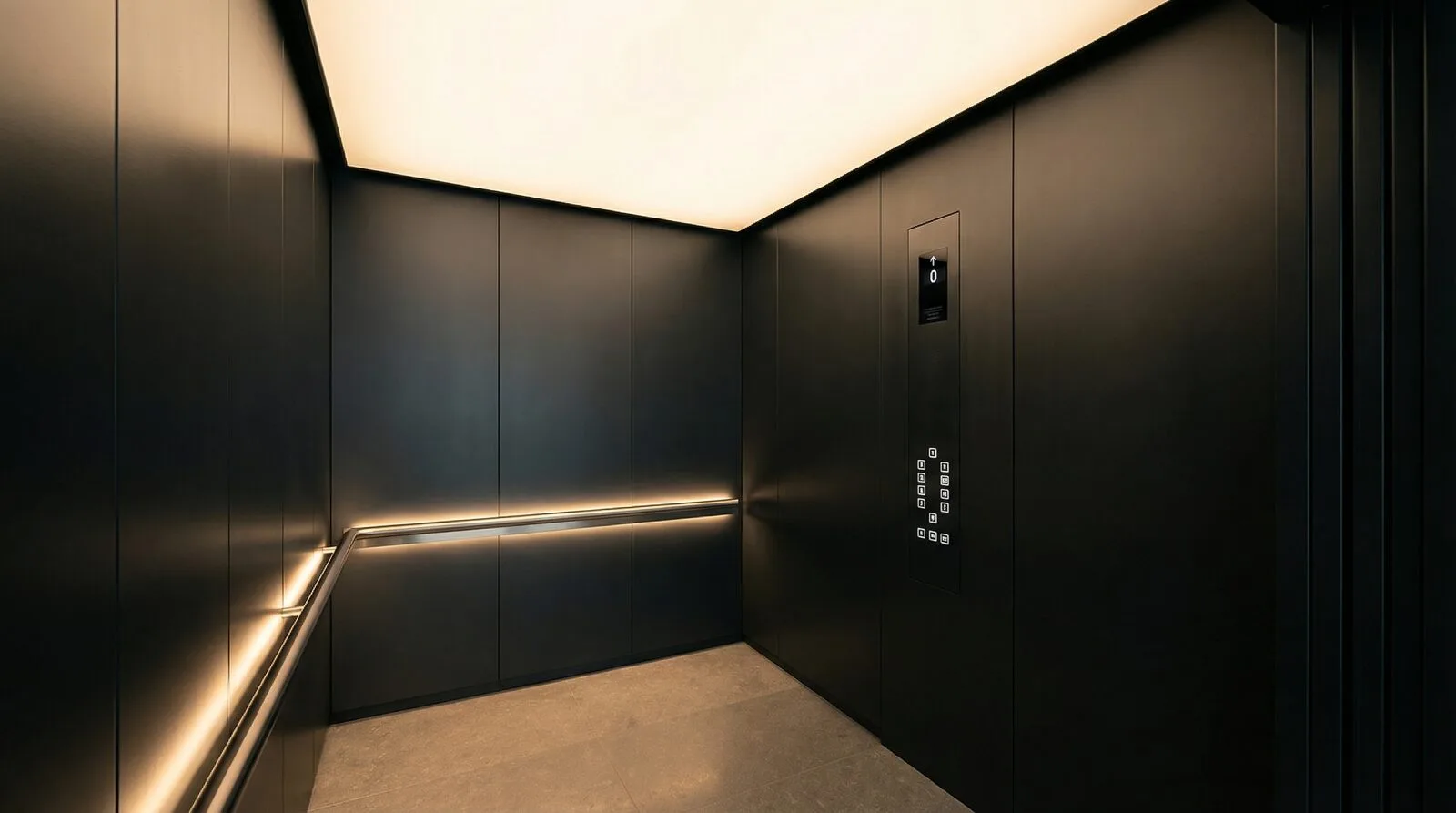
A stairlift carries a seated passenger along the line of the staircase. It suits someone who can transfer from a wheelchair onto the seat and leave the chair behind. A platform lift instead travels vertically between floors and carries the wheelchair itself — with its user and a mobility scooter — on the level. Where the chair must travel too, only a platform lift will do.
| Stairlift | Platform lift | Through-floor lift | |
|---|---|---|---|
| Carries a wheelchair | No | Yes | Yes |
| Keeps the staircase clear | When folded | Yes | Yes |
| Pit / building work | None | 150mm pit | 150mm pit + ceiling opening |
| Copes as mobility changes | Limited | Yes | Yes |
| Typically adds property value | Little | Yes | Yes |
Cost and space
- Stairlift — lower upfront cost; fixes to the staircase; keeps the stairs usable for others only when folded.
- Platform / through-floor lift — a higher initial cost but needs only a 150mm pit and a small footprint in a corner or beside the stair, leaving the staircase completely clear.
Longevity and resale
A home lift is generally the more capable and longer-lasting solution, copes with changing needs over time, and tends to add more to a property than a stairlift. For a home being adapted around a wheelchair, or for the long term, it is usually the wiser investment.
Find a platform lift installer in your area
We install and service OnLevel platform lifts across England, with dedicated local pages for hundreds of towns. Explore the areas we cover — including London, Surrey, Kent, Hertfordshire, Buckinghamshire, Berkshire, Cheshire, Greater Manchester and Essex — or browse the full list of locations across the UK.
Popular towns we cover include Milton Keynes, Coventry, Watford, Bromley, Marylebone, Sutton, Rochdale, Cheshunt, Welwyn Garden City, Sevenoaks, Wellingborough, Beverley and Pontefract.
Recently updated area pages include Rochdale, Didcot, Maldon, Stratford-upon-Avon, Swadlincote, Gloucester and Atherstone — each with local planning notes, typical property types and the installation details for that area.
Request a no-obligation quotation
Every property is different, so the surest way to a firm figure is to tell us about your project — the property, the floors you need to serve and what you want to achieve. Send us those details and our SafeContractor-accredited team will prepare a written, no-obligation quotation. Request your quotation on our contact form, or see the areas we cover across the UK.