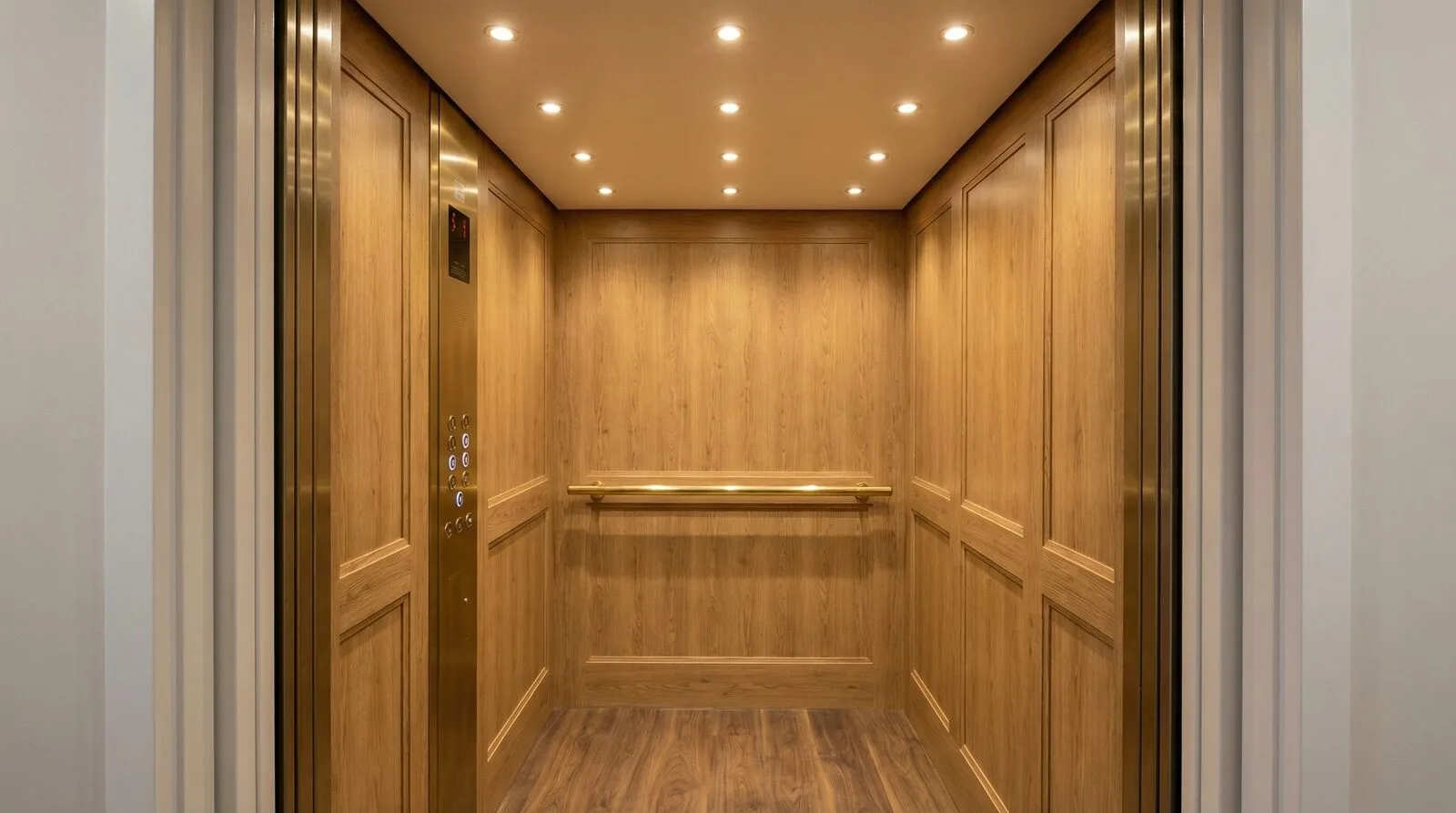
Can you install a lift in a listed building?
In almost all cases, yes. Listing does not freeze a building or forbid change — its purpose is to protect what makes the property special, while still allowing it to be lived in and adapted. Conservation officers are used to accessibility work and will look for interventions that are minimal, sympathetic and, ideally, reversible. A well-chosen home lift meets that test far more easily than the deep excavation and structural shaft a conventional passenger lift would demand.
When do you need listed-building consent or planning permission?
The two consents are separate, and which apply depends on the property:
- Planning permission — a lift fitted entirely inside a house is normally permitted development and needs no planning permission. External installations, or anything that changes the building’s appearance, can require it.
- Listed-building consent — if the home is listed, internal alterations that affect its special interest can require listed-building consent even when planning permission is not needed. This is the consent most period-home owners need to consider.
- Conservation areas — external work is more tightly controlled; internal work usually is not, unless the building is also listed.
The safe course is to confirm your property’s status before committing. See our building regulations and standards guide for how the wider rules fit together.
Which lift suits a period property best?
For heritage homes, a through-floor or platform lift is almost always the right answer over a conventional shafted lift. It needs only a shallow 150mm pit rather than a deep excavation, no separate machine room, and an 850 by 850mm footprint — so it sits lightly within the building without disturbing foundations, cellars or historic timbers. A through-floor lift is especially discreet, passing through a small ceiling opening and finished to suit the room, and glazed or bespoke enclosures can be specified to sit comfortably in a period interior.
Protecting the historic fabric
OnLevel lifts are designed for exactly this kind of sensitive setting. The system assembles on site by bolting together — with no welding, no hot works and no crane — and is largely self-supporting, so it places minimal load on the existing structure. The installation is low-impact and, importantly, reversible: should the lift ever be removed, the building can be returned close to its original state. That reversibility is often the deciding point for a conservation officer weighing an application.
Real installations in stone and period settings
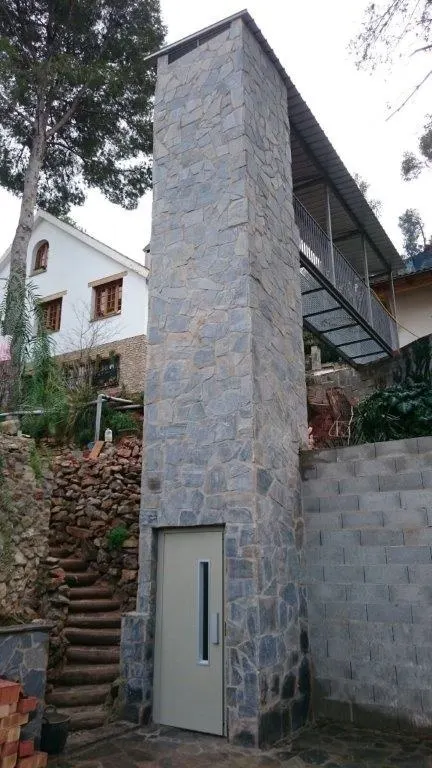
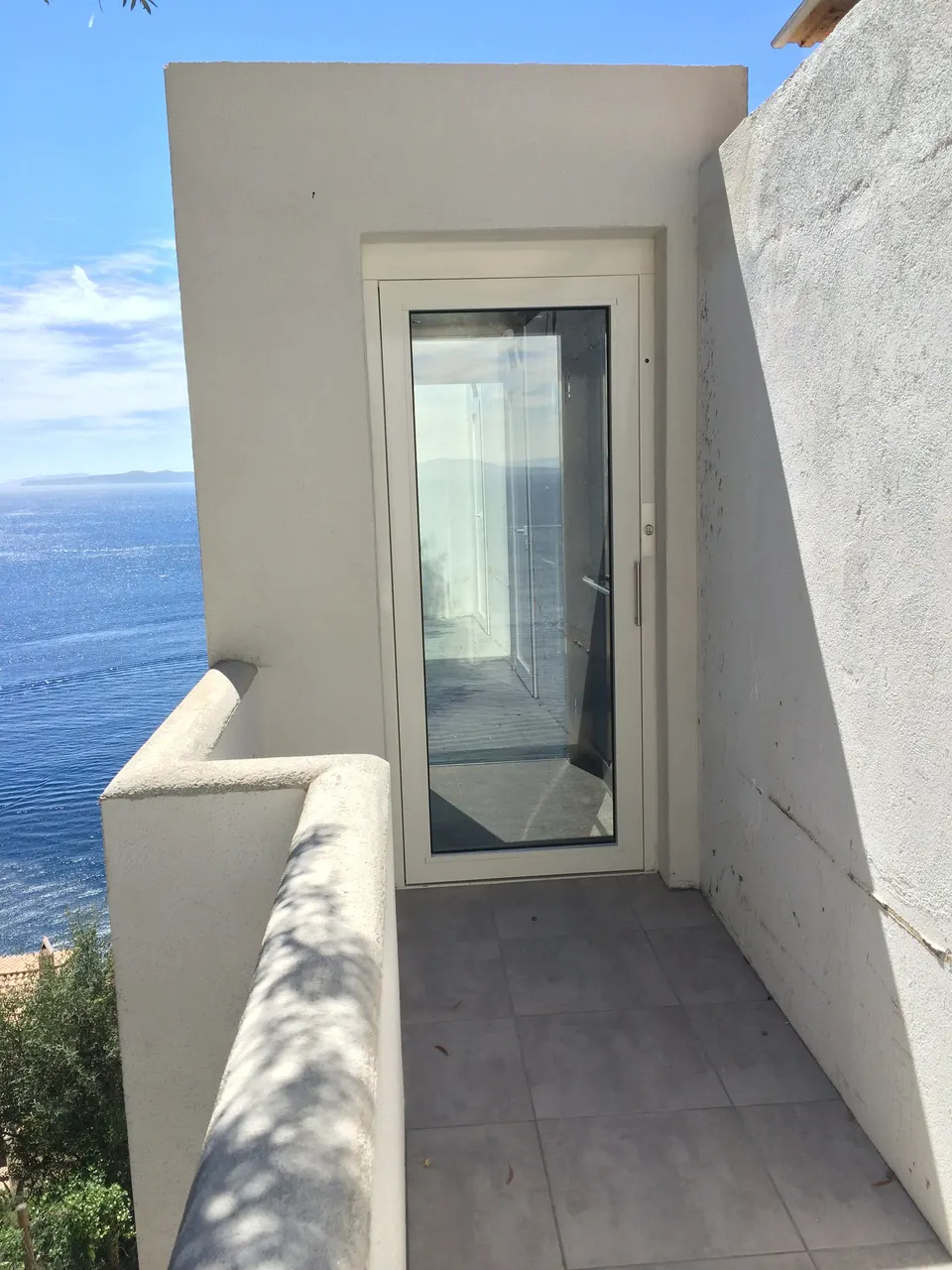
Real OnLevel installations. See the full gallery.
How the process works with conservation officers
It pays to start the conversation early. Where listed-building consent is needed, the council will usually want a short heritage statement explaining the impact and a method statement setting out how the work protects the fabric — and we provide the fully specified quotation and documentation that consent applications and building control require. We confirm exactly where your property stands and handle that paperwork before any work begins, so the process is calm and predictable. Talk to us about your heritage property.
Find a platform lift installer in your area
We install and service OnLevel platform lifts across England, with dedicated local pages for hundreds of towns. Explore the areas we cover — including London, Surrey, Kent, Hertfordshire, Buckinghamshire, Berkshire, Cheshire, Greater Manchester and Essex — or browse the full list of locations across the UK.
Popular towns we cover include Milton Keynes, Coventry, Watford, Bromley, Marylebone, Sutton, Rochdale, Cheshunt, Welwyn Garden City, Sevenoaks, Wellingborough, Beverley and Pontefract.
Recently updated area pages include Budleigh Salterton, Pontefract, Wallingford, Kington, Bawtry, Ware and Salford — each with local planning notes, typical property types and the installation details for that area.
Request a no-obligation quotation
Every property is different, so the surest way to a firm figure is to tell us about your project — the property, the floors you need to serve and what you want to achieve. Send us those details and our SafeContractor-accredited team will prepare a written, no-obligation quotation. Request your quotation on our contact form, or see the areas we cover across the UK.