For most projects, the barrier to step-free access has never really been the lift — it is the building work around it. A conventional passenger lift means excavating a deep pit, forming a structural shaft, sometimes a separate machine room, and a site programme measured in weeks. That cost and upheaval is what stops homeowners, architects and facilities managers from acting. The OnLevel platform lift removes it.
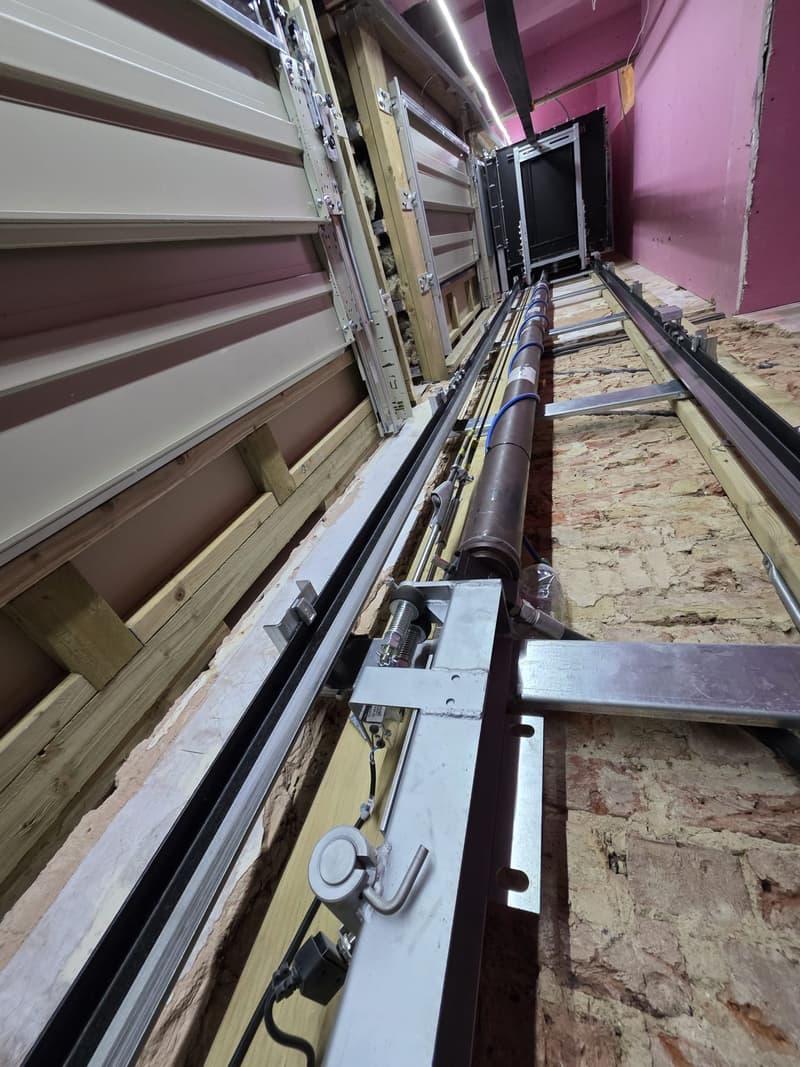
Because the lift is self-supporting and needs only a 150mm pit, it can be retrofitted into an existing ground floor or dropped into a new build without major groundworks. The complete unit arrives pre-tested from the factory — typically around nine weeks after order — and our engineers bolt it together, commission it and complete the LOLER inspection in three to five days. No hot works means no welding permits, no crane hire and no fire-watch on an occupied site.
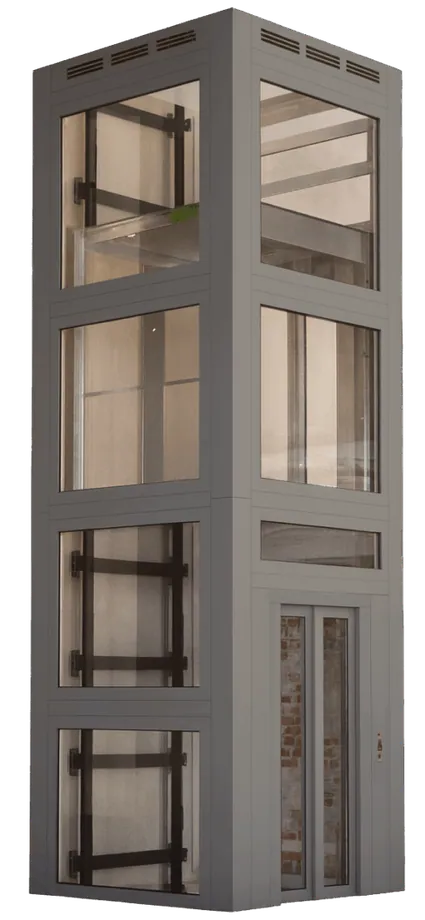
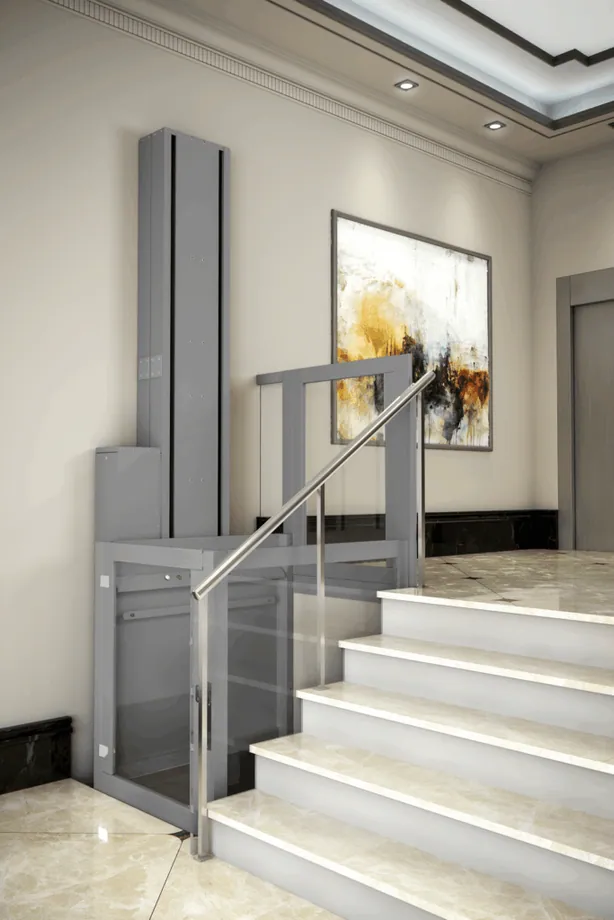
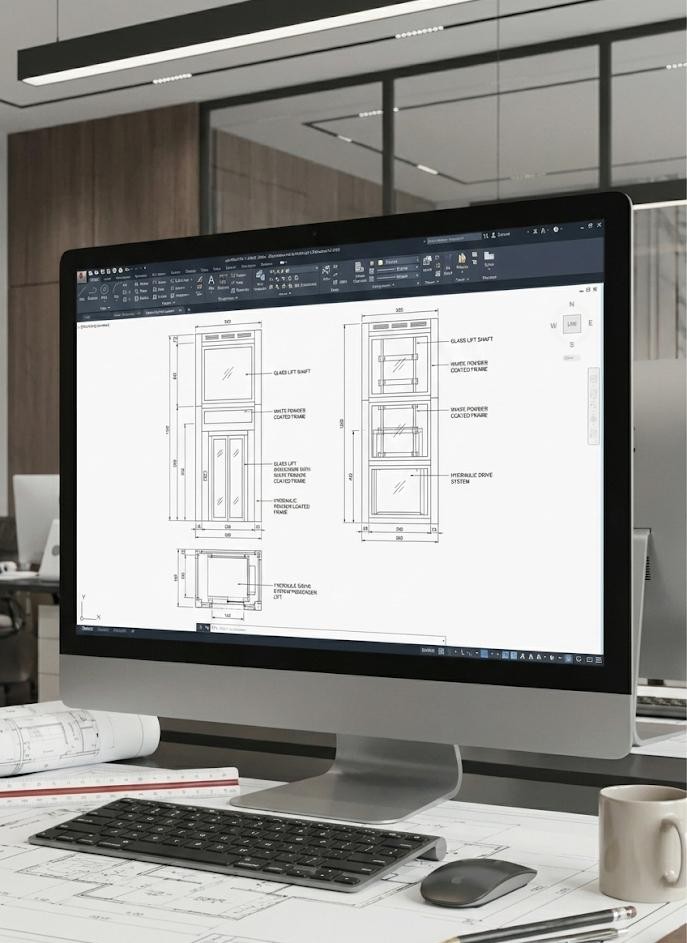
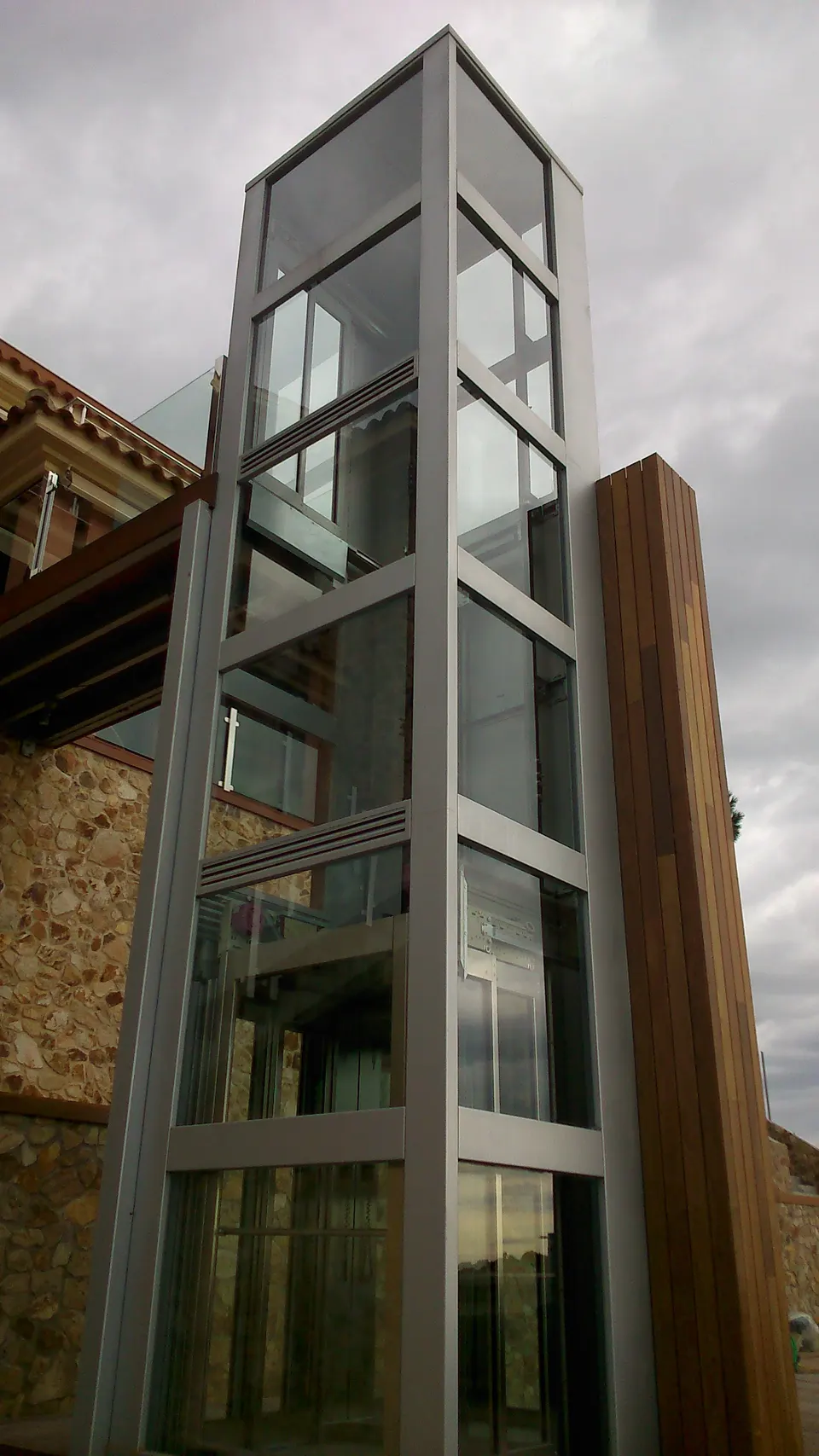
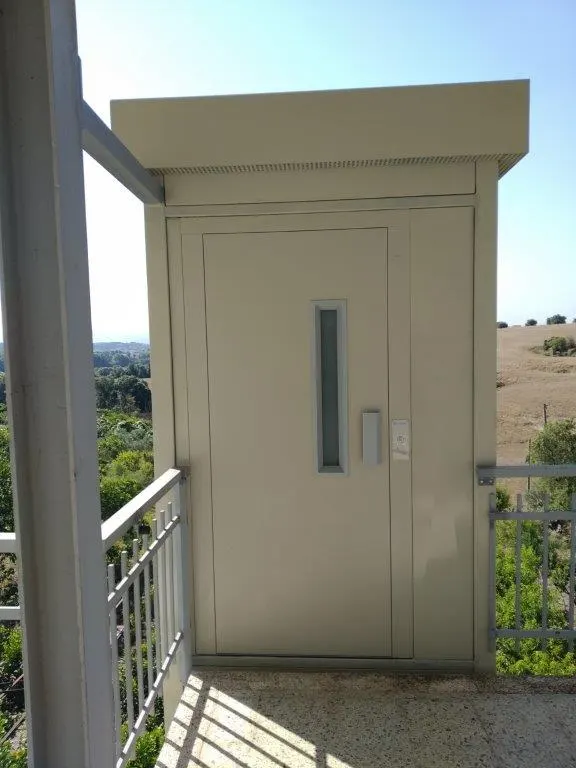
The standard 850 × 850mm platform comfortably takes a wheelchair user and a companion, with load capacities up to 400kg. The lift can be specified shaftless against a wall, within a self-supporting glazed shaft, or built into a structural opening, and configured for dual passenger-and-goods use. That flexibility is why the same product suits a period home, a converted warehouse, a care home and a retail unit equally well.
Compliance is built in, not bolted on. Every OnLevel installation is certified to EN 81-41 — the European standard for vertical lifting platforms for people with impaired mobility — and supports Part M of the Building Regulations and the BS 8300:2018 access design standard. Each handover includes a LOLER-compliant documentation pack, operation and maintenance manuals, and a warranty certificate. Base OnLevel is SafeContractor accredited (CN8516).
On cost, the honest comparison is total installed price, not headline lift price. Once the excavation, structural shaft and extended site time of a traditional lift are accounted for, the OnLevel solution is frequently the lower-cost route to compliant access — and you receive an indicative quotation up front, so you can budget with confidence. On planning, internal platform lifts generally fall under permitted development and do not require planning permission, though we confirm this for listed and conservation-area buildings as part of the site visit.
Reliability is the third question buyers ask, and the answer is straightforward: the OnLevel lift is a robust, serviceable piece of European engineering with a manufacturer warranty (cover depends on lift type and is confirmed in your quotation) and an optional ongoing maintenance contract. Operating under the Machinery Directive at low speed, it is mechanically simpler than a high-speed traction lift, which means fewer points of failure and lower lifetime running costs.
We install nationwide across England, covering homes, commercial premises and public buildings. The starting point is always the same — you tell us about your project, and one of our engineers reviews your requirements and confirms whether an OnLevel platform lift is the right answer for your building.