Under the Equality Act 2010, service providers and employers must make reasonable adjustments to remove barriers for disabled people — and a flight of steps at an entrance, or a change of level inside, is one of the most common barriers there is. For new and materially altered buildings, Part M of the Building Regulations sets the access requirements, and BS 8300:2018 is the design standard that defines what good, usable access actually looks like. Meeting all three usually comes down to one thing: a properly specified, wheelchair-accessible lift.
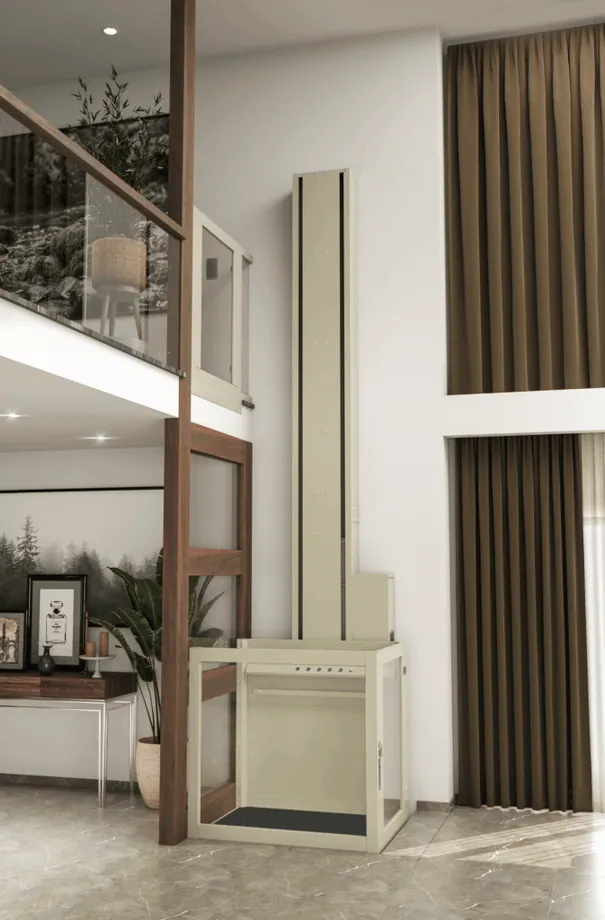
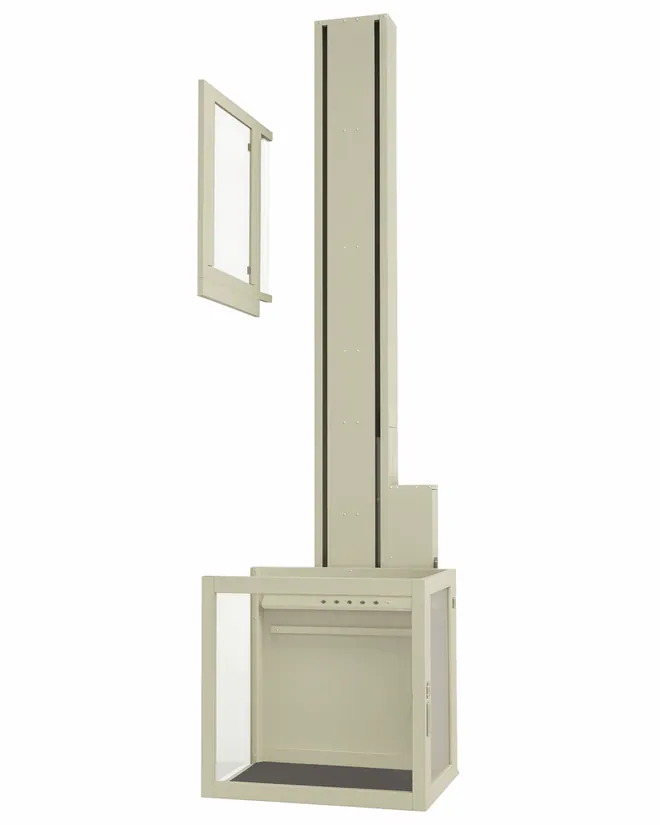
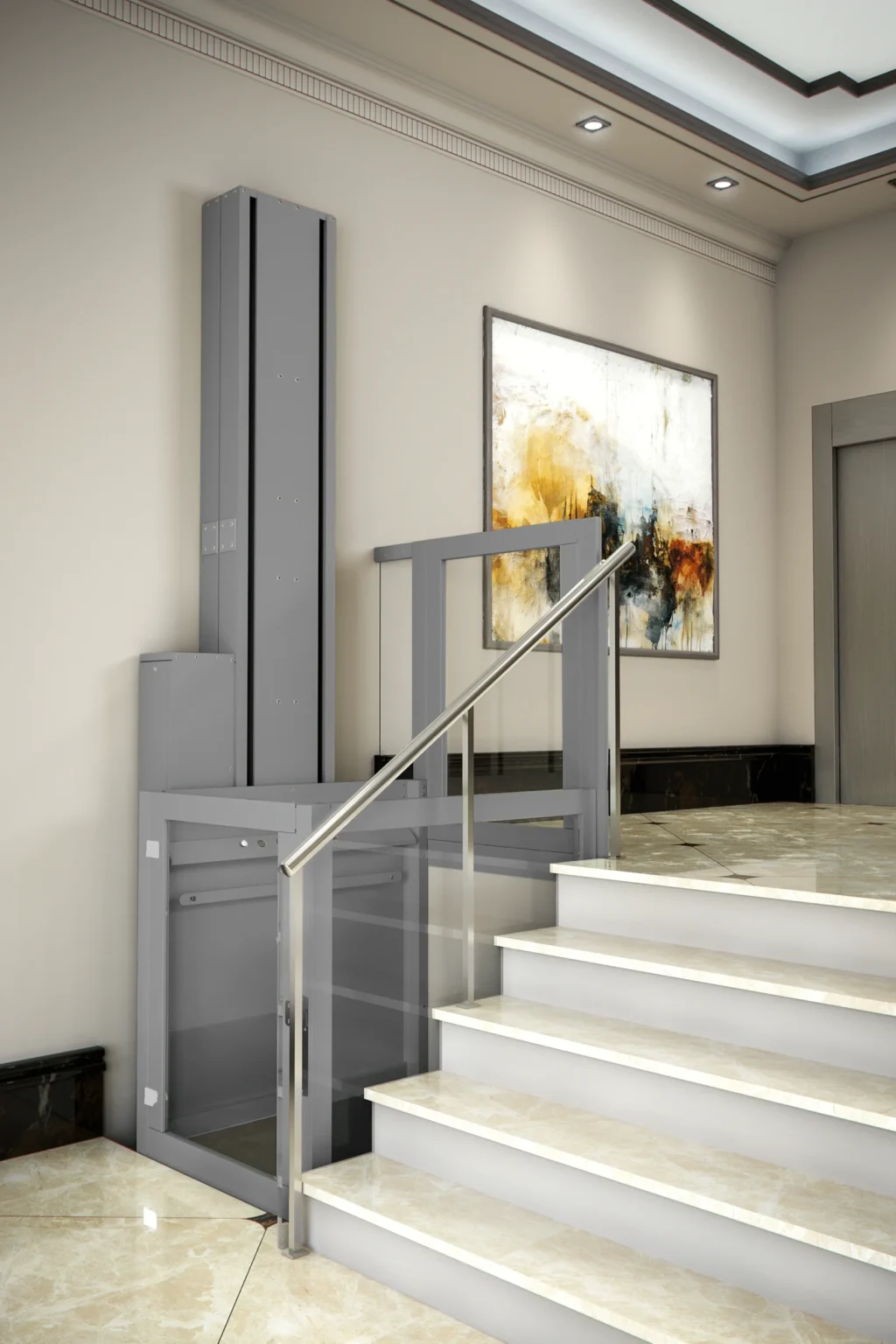
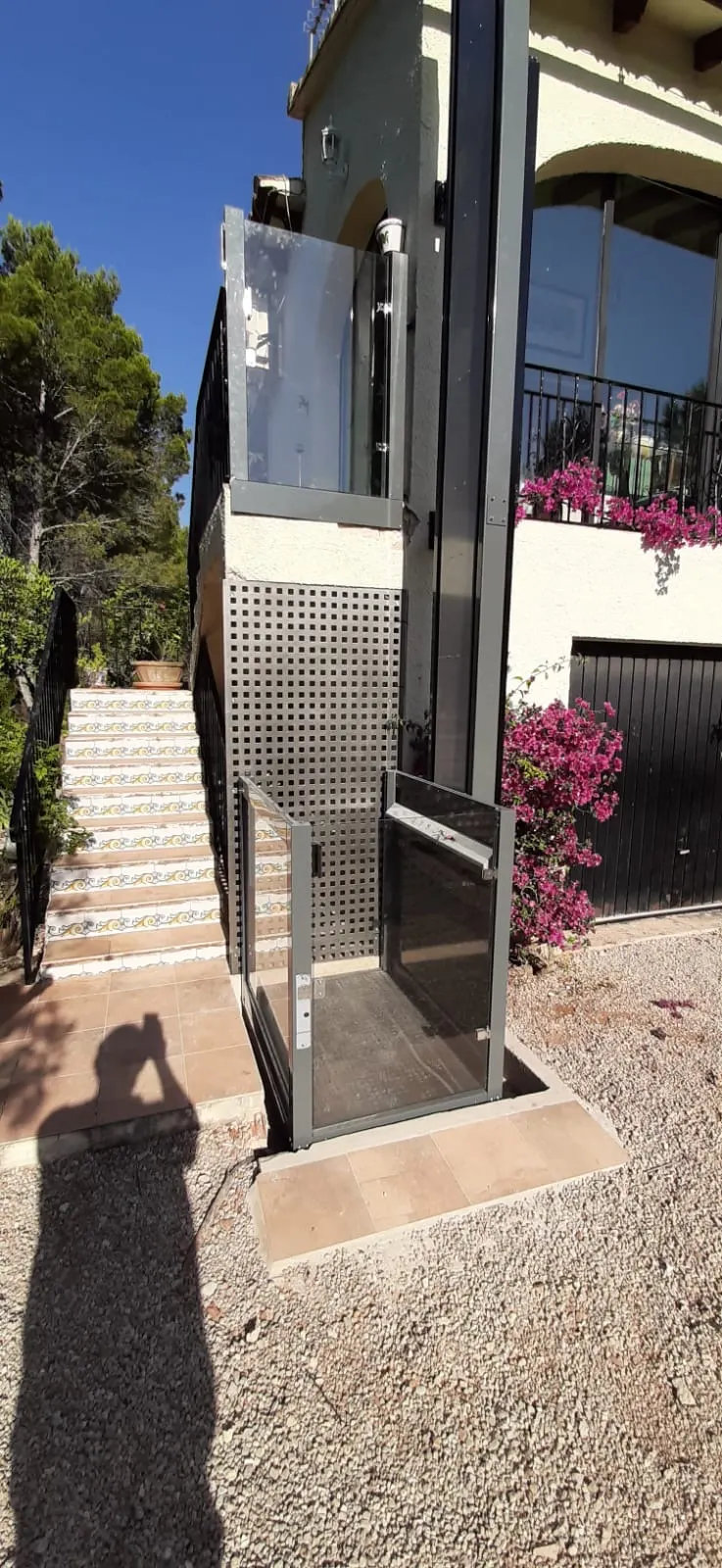
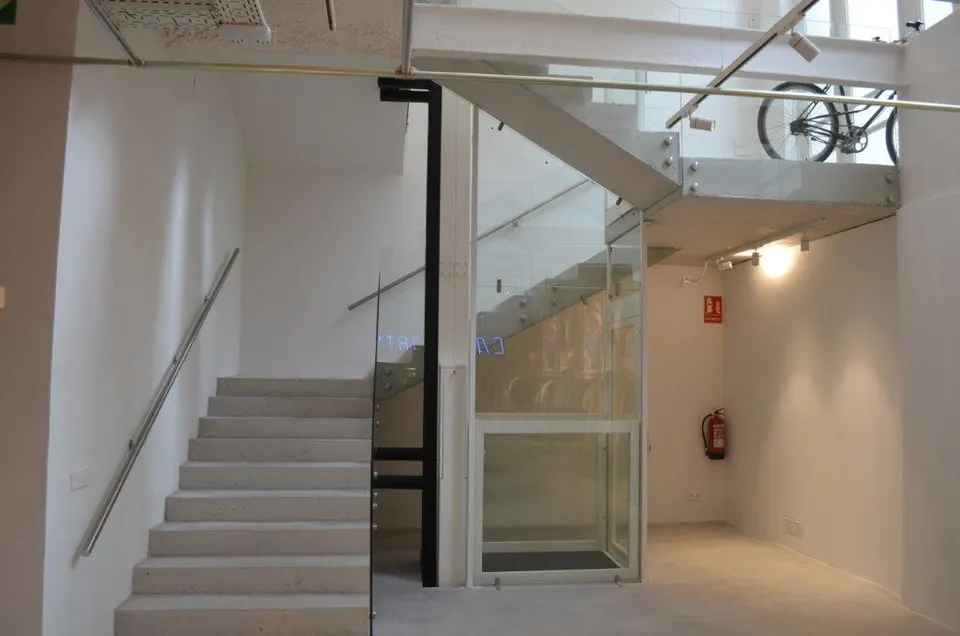
The challenge is that most buildings needing better access were never designed for a conventional lift. There is no deep pit, no structural shaft, and often no appetite to close a working building for weeks of construction. The OnLevel accessibility lift is built precisely for that situation. It is self-supporting, needs only a 150mm pit, and can be installed at an entrance, across a foyer split level or between floors with minimal structural intervention — fully installed, commissioned and LOLER-inspected in three to five working days.
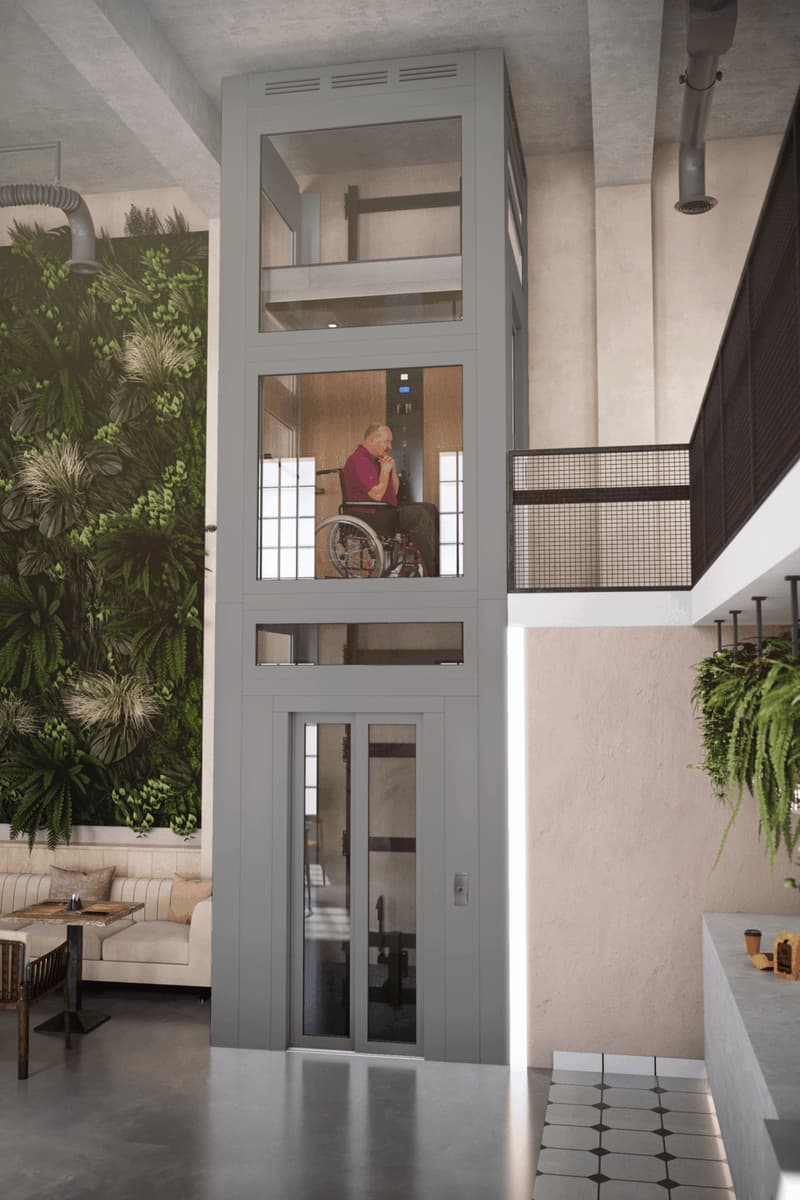
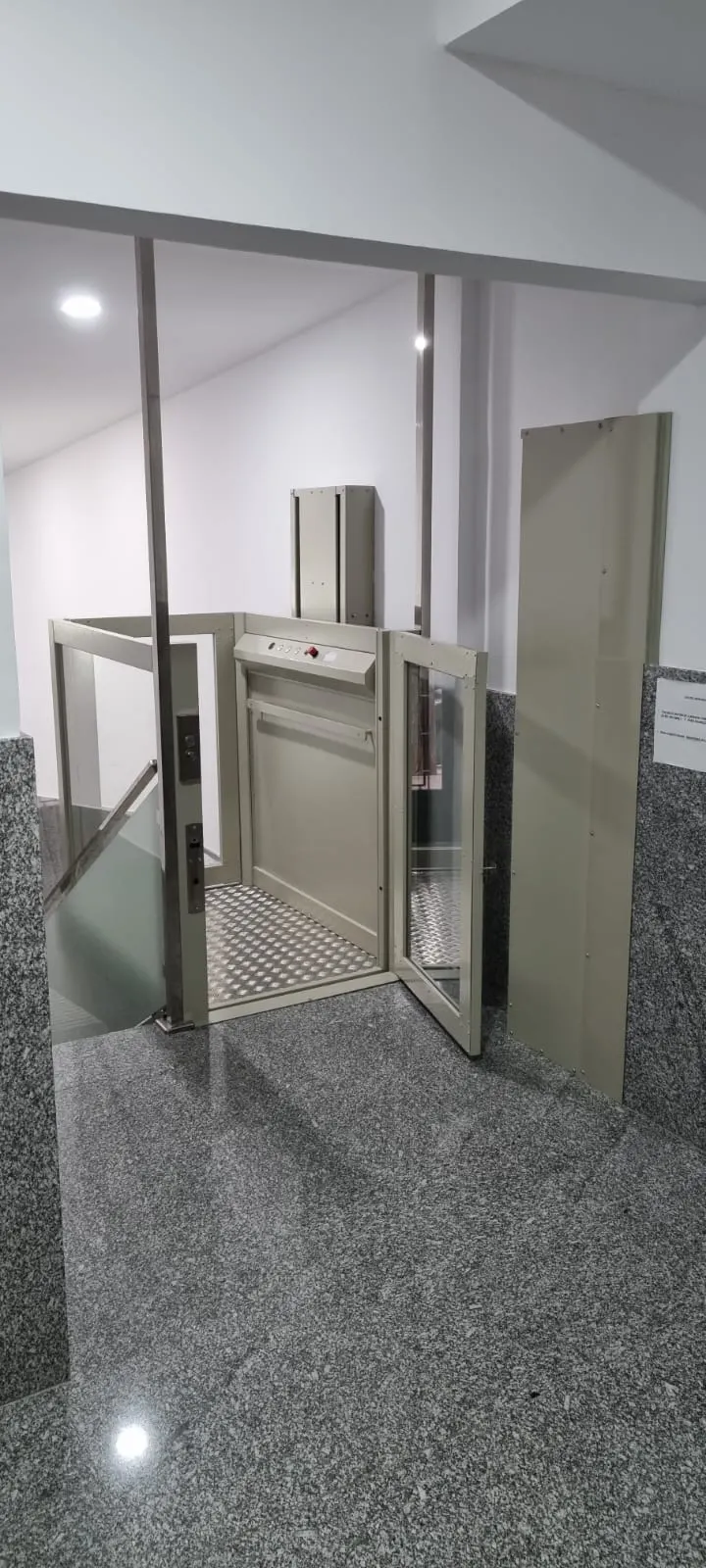
It is designed to be used independently and with dignity. The 850 × 850mm platform comfortably accommodates a wheelchair user, with capacity up to 400kg, and the lift is fitted with clear, accessible controls at compliant heights. The difference between being carried or assisted up a step and travelling independently in a proper lift is the difference between an afterthought and genuine inclusion — and it is exactly the standard the Equality Act is asking duty holders to reach.
The same lift suits a wide range of settings: shops and showrooms, GP surgeries and clinics, schools and colleges, offices, places of worship, museums and visitor attractions, and the listed and heritage buildings where access is hardest to achieve. Because installation is low-impact and reversible, it is frequently the only realistic way to bring a sensitive or protected building up to a modern access standard without harming its fabric — something we confirm building by building during the survey.
Duty holders raise three concerns, and all three have clear answers. Heritage constraints: the lift’s shallow pit and bolt-together, reversible installation make it far more sympathetic to listed buildings than excavation-heavy alternatives. Cost of compliance: an indicative quotation, with no excavation or extended programme, makes the budget predictable. Disruption to a live building: three-to-five-day installation with no hot works keeps a school, surgery or shop running while access is brought up to standard.
Base OnLevel is SafeContractor accredited (CN8516) and installs nationwide across England, and every accessibility project hands over with a LOLER-compliant documentation pack for your records and compliance file. If you have an access audit, a planning condition or an Equality Act obligation to meet, the first step is to tell us about your building and your obligations — we will confirm the compliant, lowest-disruption route to step-free access and provide an indicative quotation.