When a commercial building needs to move people between floors, the default specification is a traditional passenger lift — and for high-rise or high-traffic buildings that remains the correct choice. But for the two-, three- and four-storey premises that make up most of the UK’s commercial stock, a conventional lift is often over-engineered for the actual demand, while bringing all of its cost and upheaval: a 1,200mm-plus excavated pit, a structural shaft, frequently a machine room, hot works on a live site, and a programme that can run from six to twelve weeks.
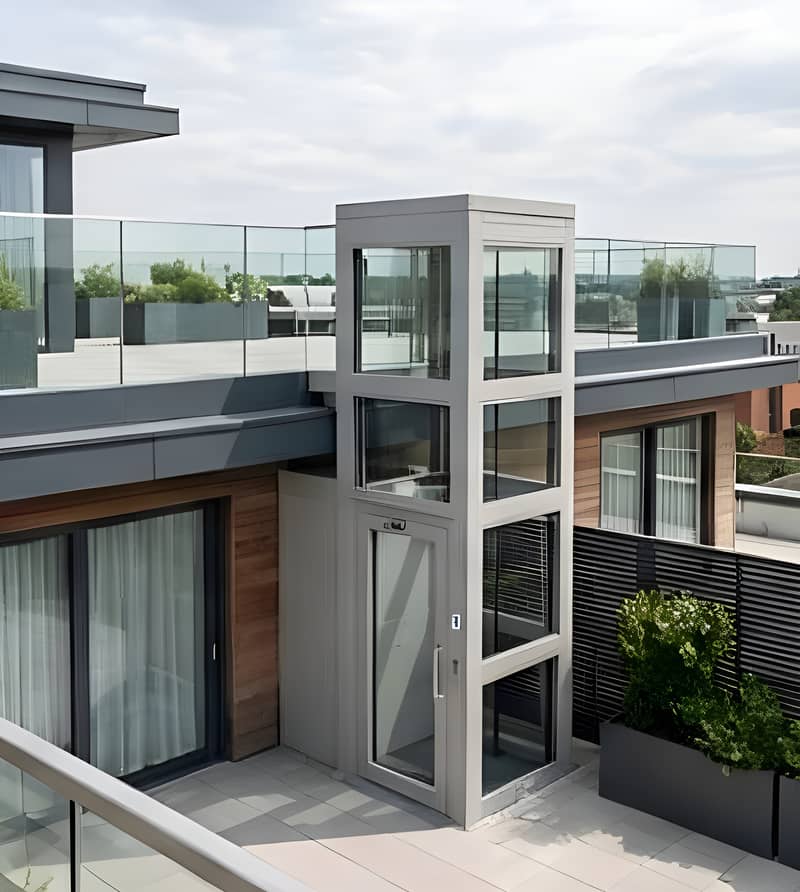
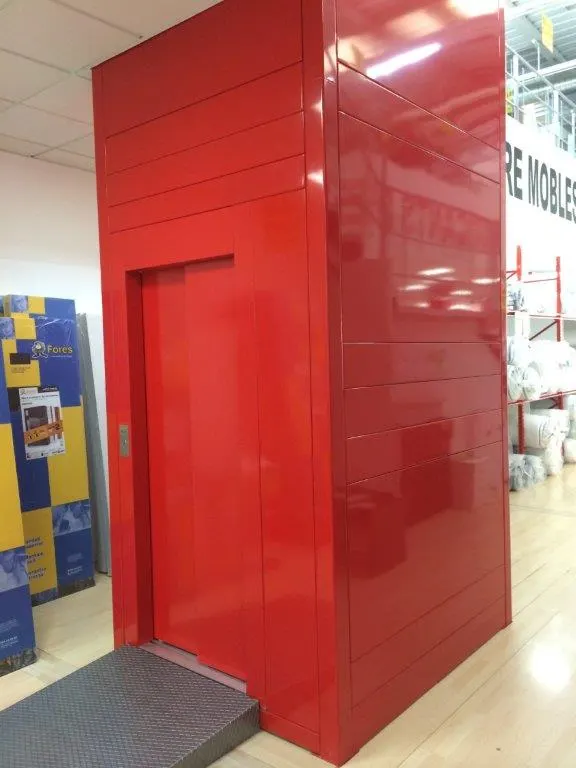
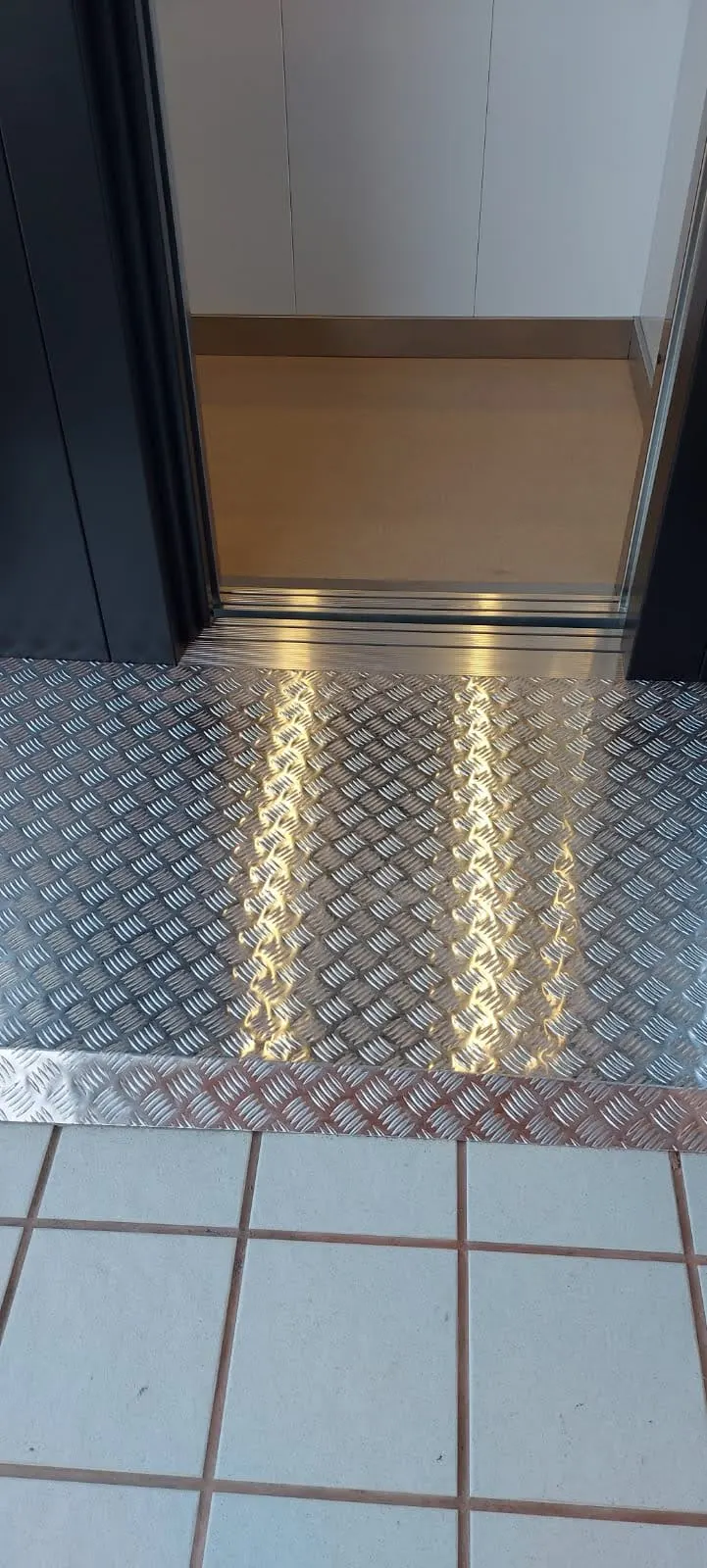
The OnLevel platform lift is the alternative that meets the same access need with a fraction of that disruption. It is self-supporting and needs only a 150mm pit, so it can be installed into an existing building — at an entrance, across a split level, or between floors — without major structural work. The complete unit is delivered pre-tested and bolted together on site, with full installation, commissioning and LOLER inspection completed in three to five working days. For a trading shop, a working office or an occupied care home, that difference in downtime is decisive.
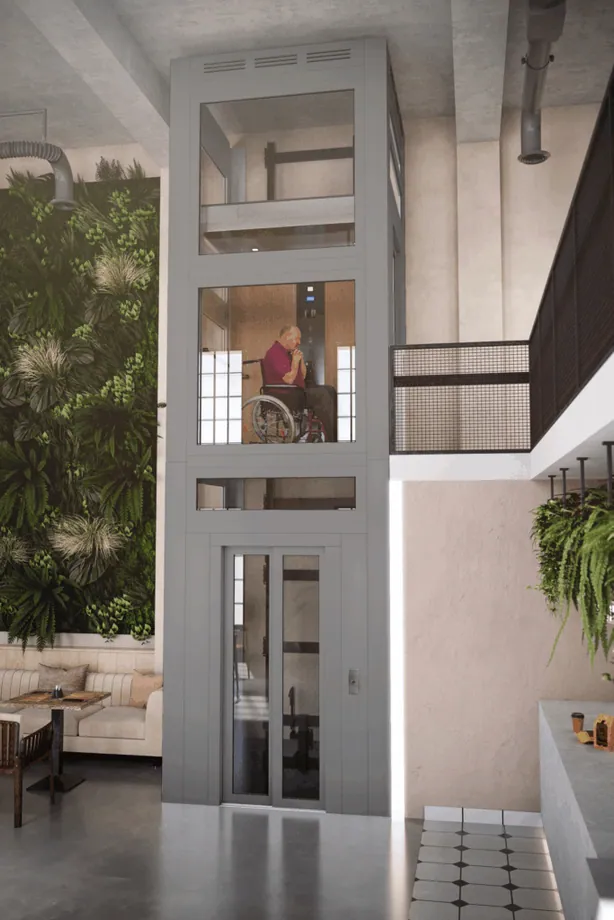
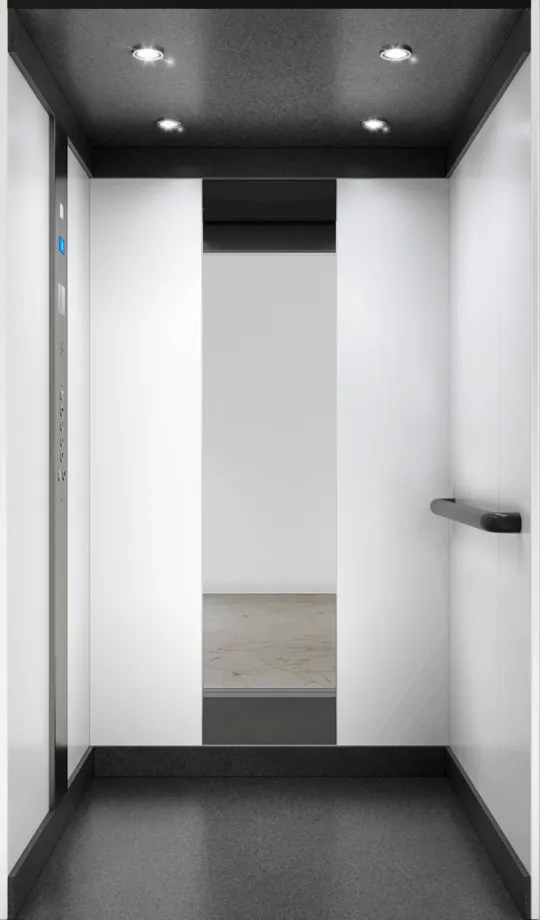
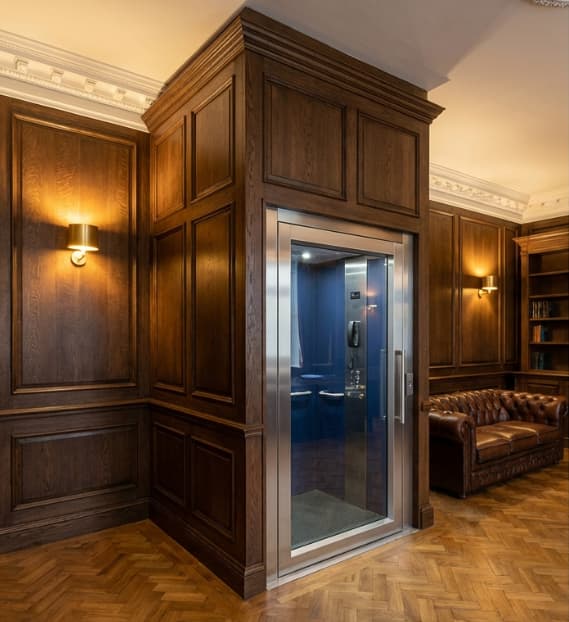
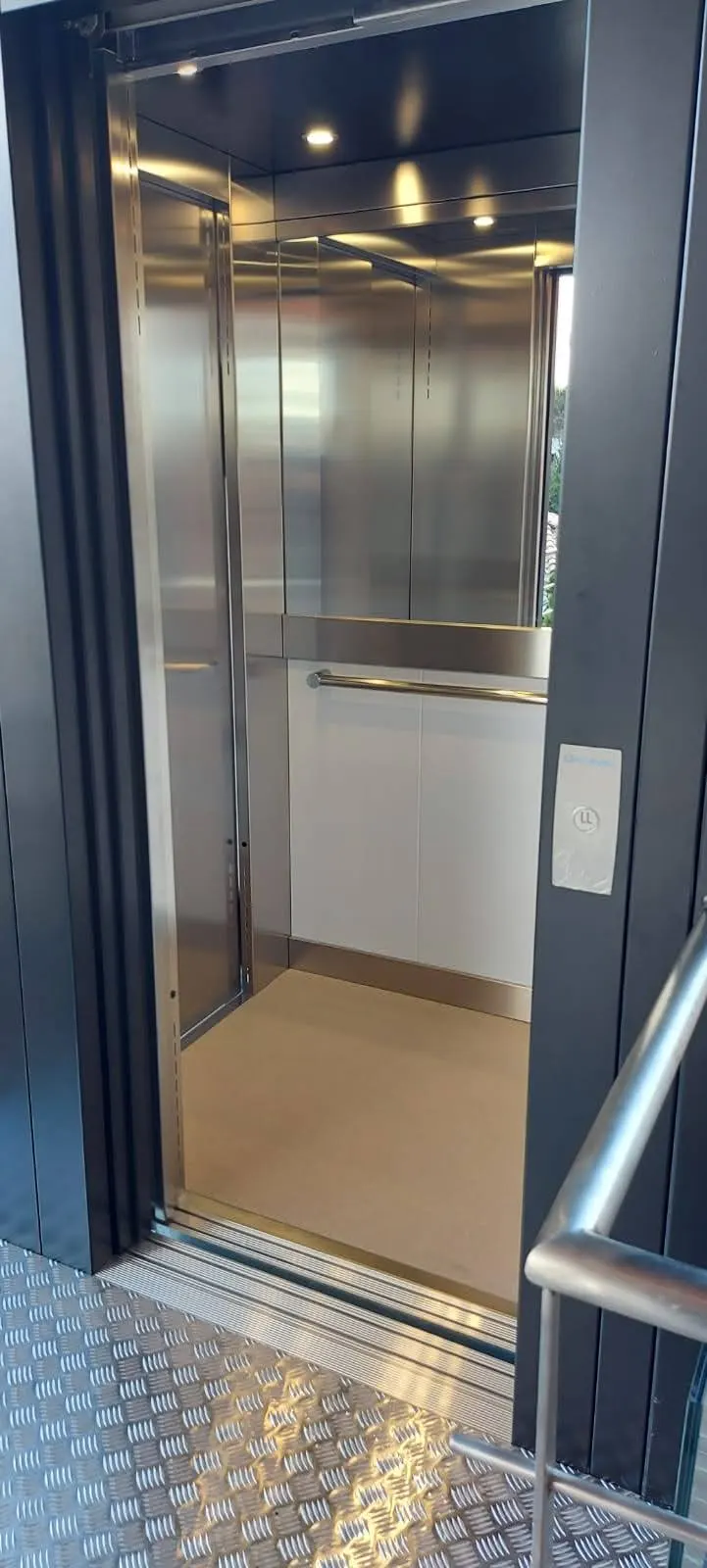
It is a genuine, usable lift, not a compromise. The platform takes up to 400kg and can be configured for dual passenger-and-goods use, which suits retail stockrooms, restaurants and multi-use premises particularly well. It can be specified with an enclosed car, full-height doors and a glazed self-supporting shaft, so it reads as a permanent architectural feature rather than an add-on. Smooth, quiet operation and clear, accessible controls give users the same confident experience they would expect from a conventional lift.
For public and commercial buildings, compliance is the point. The OnLevel lift is certified to EN 81-41 and supports the duties that matter to duty holders: reasonable access under the Equality Act 2010, Part M of the Building Regulations for new and altered buildings, and the BS 8300:2018 design standard. Every installation hands over with a LOLER-compliant documentation pack, and Base OnLevel is SafeContractor accredited (CN8516) — the assurance specifiers and facilities managers need on file.
The common objections are about perception more than performance. Will it feel like a real lift? With an enclosed car and proper finishes, to most users it is indistinguishable in daily use. Is the capacity enough? For people, wheelchairs and everyday goods movement in a low-rise building, 400kg is ample. Is it fast enough? Platform lifts run at a lower, controlled speed by design — across a few floors the journey-time difference is negligible, and the trade-off buys you the shallow pit and rapid install.
We will also tell you when it is not the right answer. If your building is high-rise, handles very high passenger traffic, or needs lift speeds and capacities only a traction passenger lift provides, we will say so — Base OnLevel specialises in platform lifts and we would rather lose a job than mis-specify one. For the large majority of low-rise commercial briefs, though, the OnLevel platform lift is the faster, leaner, fully compliant route. It starts with you telling us about your building — we respond with an indicative quotation, anywhere in the UK.