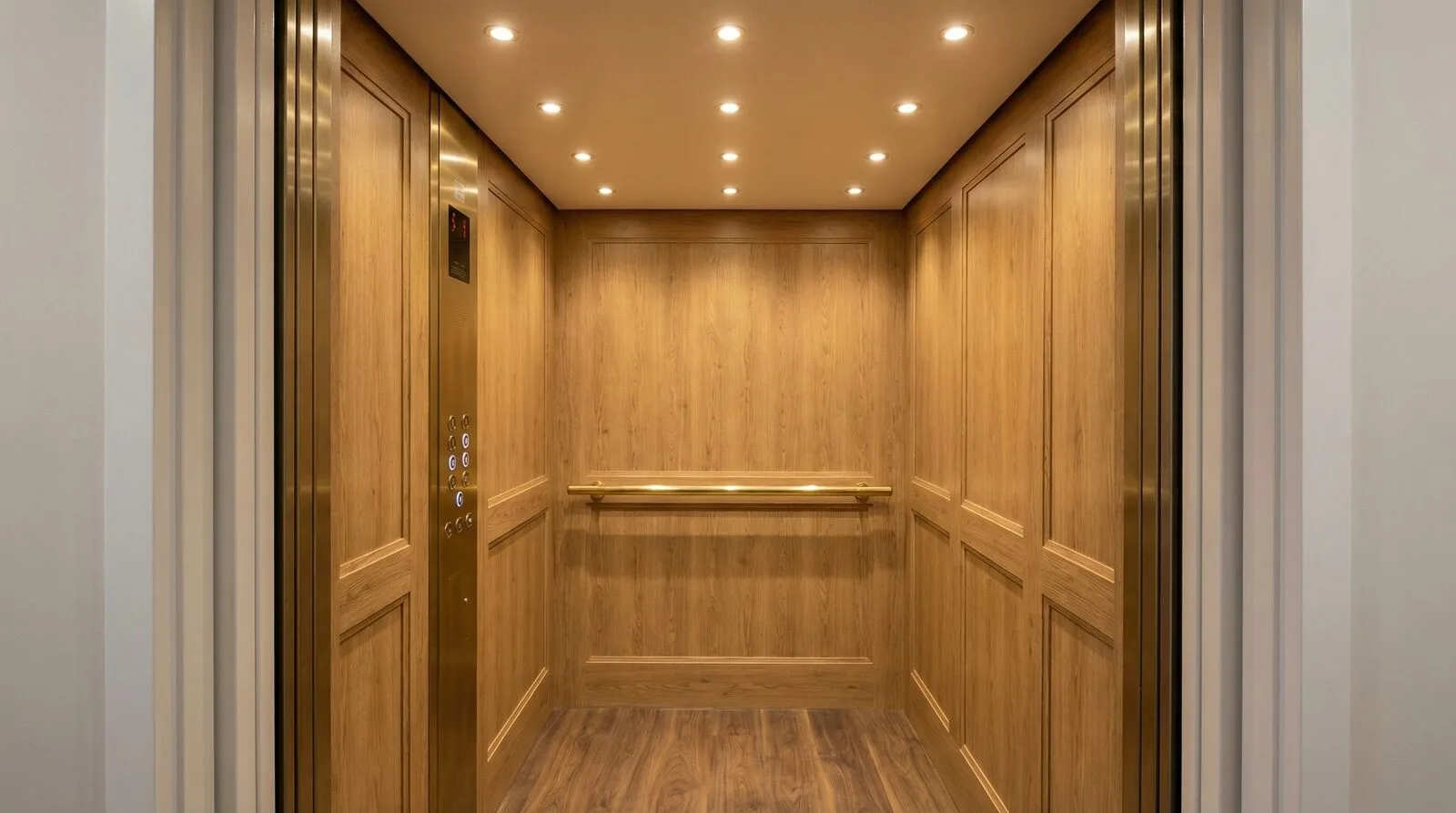
What is a wheelchair lift?
A wheelchair lift is an accessibility lift with a flat, open or enclosed platform large enough to take a wheelchair and its occupant together. The user simply rolls on, the platform rises, and they roll off at the next level — no standing, no transferring to a seat, and no need for a carer to lift anyone. That single feature is what separates a wheelchair lift from a stairlift, and it is why it is the right choice for anyone who uses a wheelchair or mobility scooter day to day.
Types of wheelchair lift
Wheelchair lifts come in two broad forms, for both domestic and commercial settings:
- Short-rise (step) lifts — for a small change in level, such as a few steps at an entrance or between split levels. They rise a short distance on an open platform and suit shopfronts, surgeries and homes with a stepped threshold.
- Vertical platform lifts — for a full floor-to-floor rise. These carry a wheelchair between storeys and can be open or fully enclosed. In a home this is often a through-floor lift; in a commercial building it is a vertical platform lift.
Wheelchair lift vs stairlift vs through-floor lift
The right option depends on who is travelling and how far:
| Carries a wheelchair? | Best for | |
|---|---|---|
| Stairlift | No — seated user only | A person who can transfer to a seat; tight budgets |
| Short-rise wheelchair lift | Yes | A few steps at an entrance or between levels |
| Through-floor lift (home) | Yes | Full floor-to-floor access in a house |
| Vertical platform lift (commercial) | Yes | Floor-to-floor access in a public or commercial building |
Our platform lift vs stairlift guide compares the seated and wheelchair options in more detail.
How much does a wheelchair lift cost, and can it be funded?
Like any lift, a wheelchair lift is priced to the property — the rise, the setting and the finish are the main factors, and our cost guide explains what drives the figure. The good news is that funding is often available. For a home, the means-tested Disabled Facilities Grant can contribute up to £30,000 where the lift is needed for a disabled person, and mobility lifts installed at home are usually zero-rated for VAT. For a commercial building, the cost sits against a legal duty to provide access under the Equality Act.
Real wheelchair lift installations
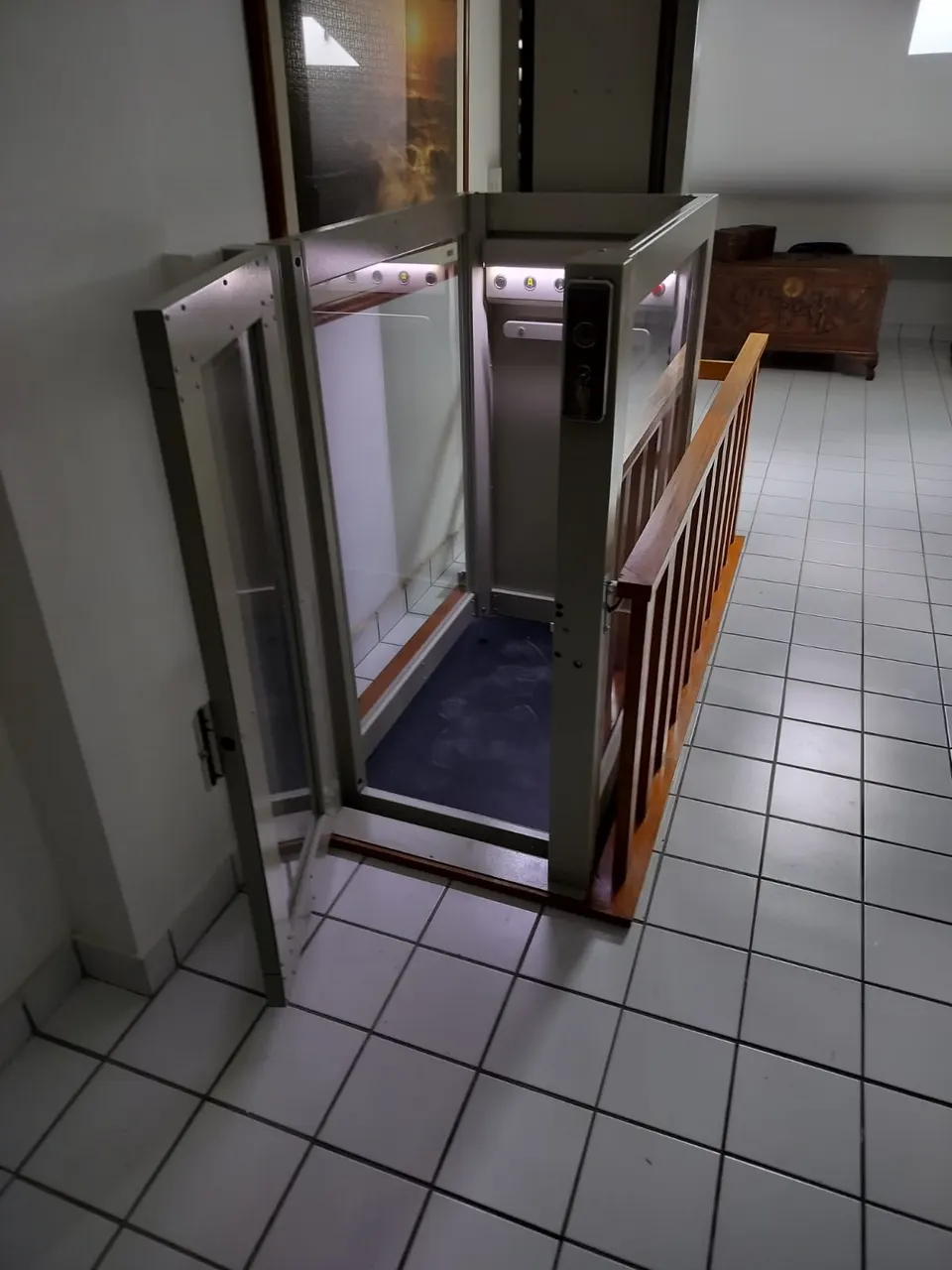
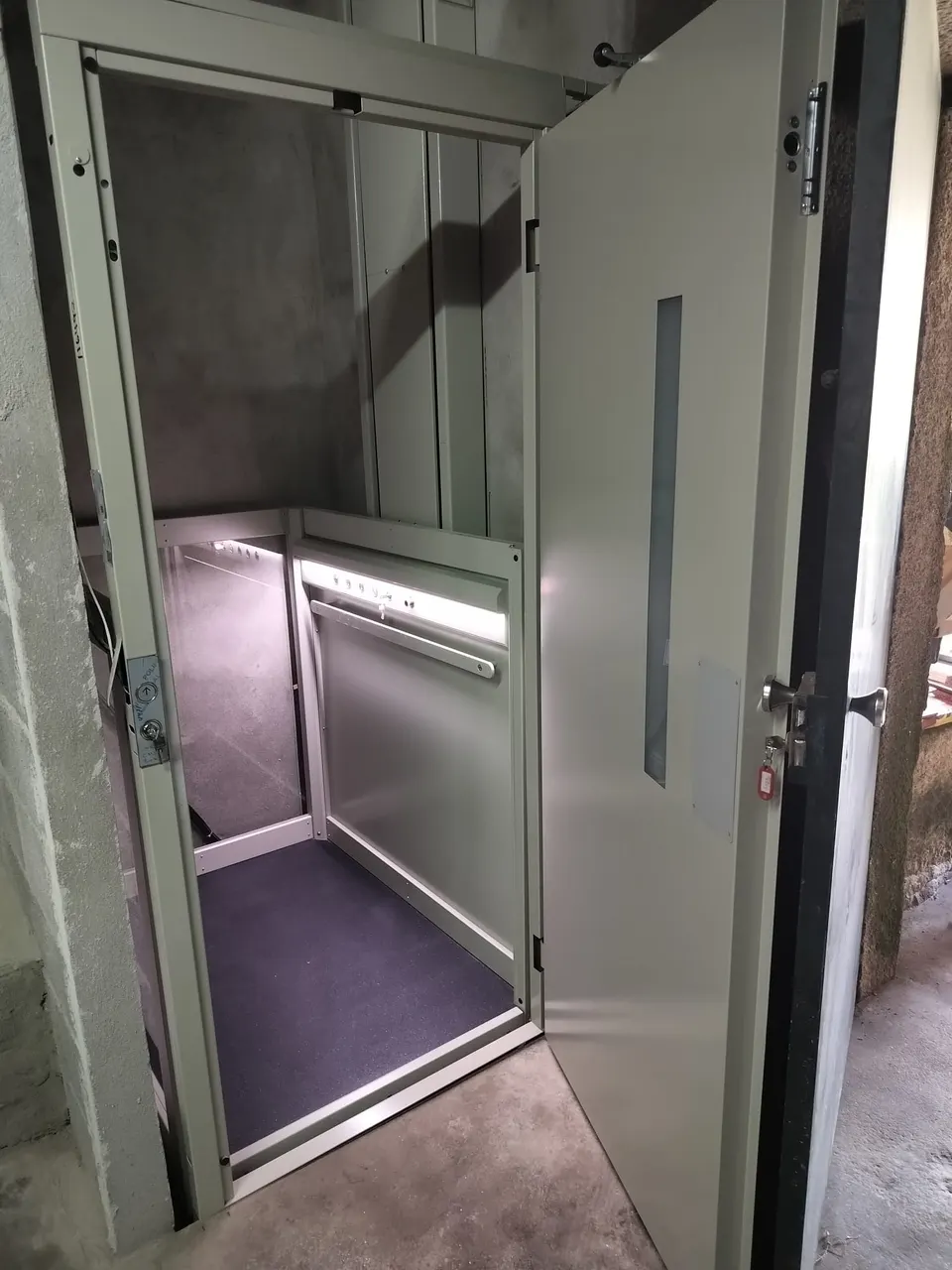
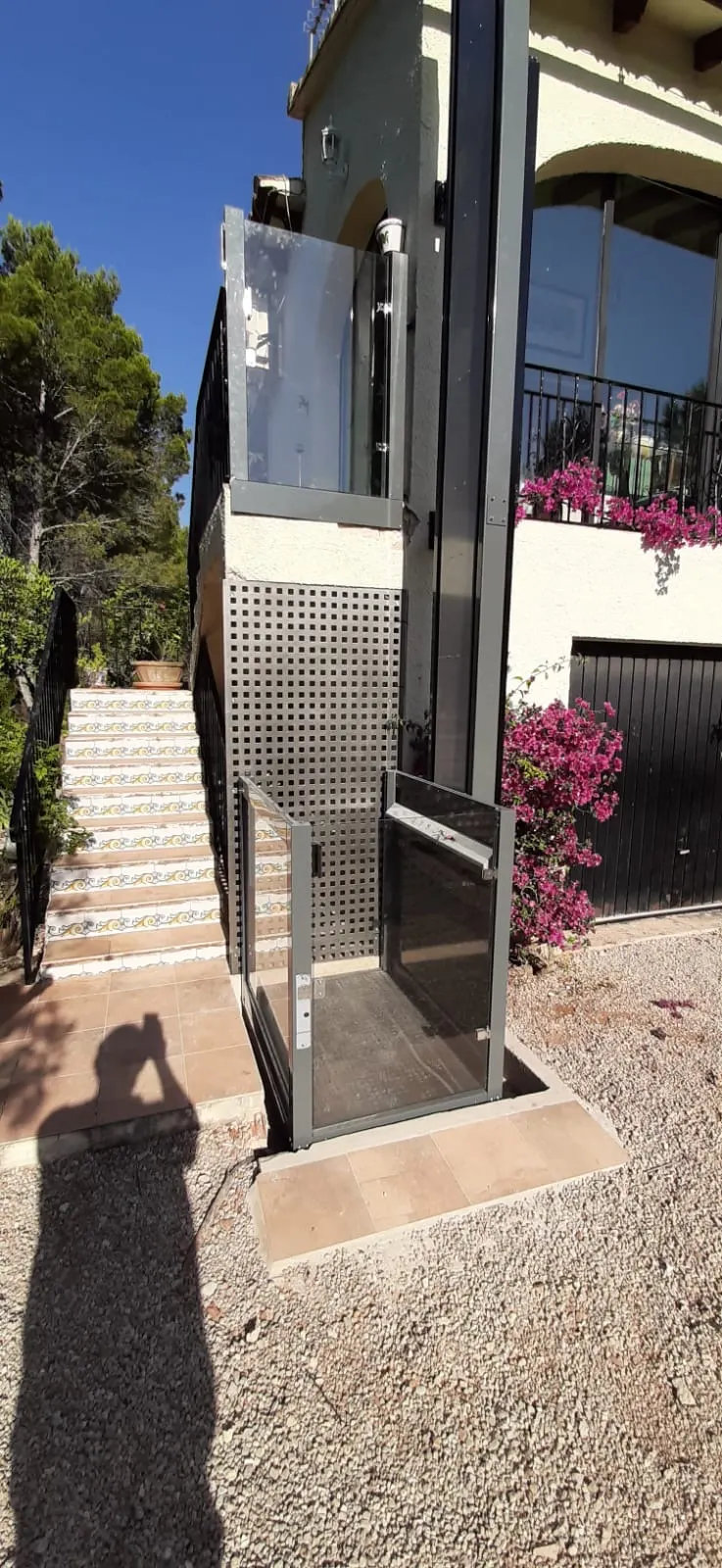
Real OnLevel installations. See the full gallery.
Wheelchair lifts and the law
For a commercial or public building, a wheelchair lift is a recognised way to meet Part M of the Building Regulations and the reasonable-adjustment duty under the Equality Act 2010. An OnLevel wheelchair lift is certified to EN 81-41, meets the Part M 850×850mm platform minimum and aligns with BS 8300:2018. In a home there is no legal requirement, but the same standards give you a lift that is safe, dependable and built to carry a wheelchair user with confidence. Ask us which wheelchair lift suits your building.
Find a platform lift installer in your area
We install and service OnLevel platform lifts across England, with dedicated local pages for hundreds of towns. Explore the areas we cover — including London, Surrey, Kent, Hertfordshire, Buckinghamshire, Berkshire, Cheshire, Greater Manchester and Essex — or browse the full list of locations across the UK.
Popular towns we cover include Milton Keynes, Coventry, Watford, Bromley, Marylebone, Sutton, Rochdale, Cheshunt, Welwyn Garden City, Sevenoaks, Wellingborough, Beverley and Pontefract.
Recently updated area pages include Stocksbridge, Birchington-on-Sea, Faversham, Southport, Nailsea, Padstow and Alcester — each with local planning notes, typical property types and the installation details for that area.
Request a no-obligation quotation
Every property is different, so the surest way to a firm figure is to tell us about your project — the property, the floors you need to serve and what you want to achieve. Send us those details and our SafeContractor-accredited team will prepare a written, no-obligation quotation. Request your quotation on our contact form, or see the areas we cover across the UK.